Woodgrange Road gardeners for period terrace gardens
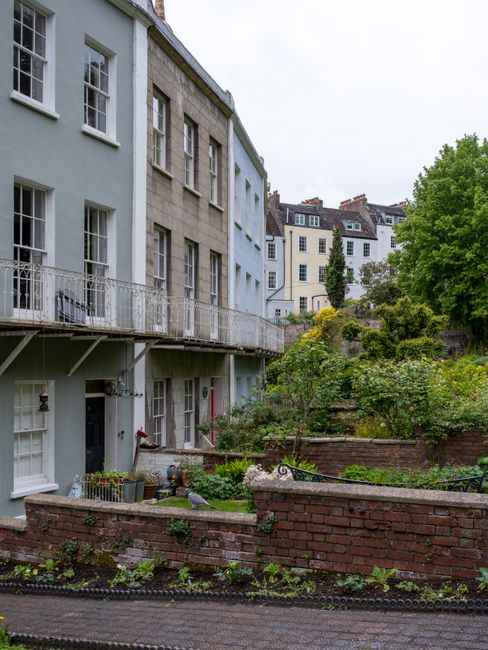
Period terrace gardens need a lighter touch than many people expect. They're often narrow, overlooked, and full of awkward corners, but they also have real charm. Done well, they can feel calm, elegant, and completely in keeping with the house. That is where Woodgrange Road gardeners for period terrace gardens come in: helping you balance heritage character with practical, livable outdoor space.
If you live on or near Woodgrange Road, you may already know the feeling. A front path that has lost its shape. A back garden that gets patchy shade by mid-afternoon. Old brickwork, mature boundaries, maybe a tired lawn or a few reluctant climbers clinging on for dear life. The right gardening approach can make all the difference. This guide walks through what professional garden care for period terraces actually involves, why it matters, and how to judge the best next step for your own space.
There's no need to turn a period garden into a museum piece. But there is a skill in respecting its bones. Let's get into that properly.
- Why this matters for period terrace gardens
- How the work is usually carried out
- Benefits and practical advantages
- Who it is for
- Step-by-step guidance
- Expert tips for better results
- Common mistakes to avoid
- Tools, resources and recommendations
- Law, compliance and best practice
- Options and comparison
- Real-world example
- Practical checklist
- Frequently asked questions
Why Woodgrange Road gardeners for period terrace gardens Matters
Period terrace gardens are not generic gardens with an old front wall. They often have proportions, materials, and sightlines that deserve care. On streets like Woodgrange Road, where homes may have original features, bay fronts, railings, narrow plots, and paved thresholds, a garden can either enhance the property or quietly fight against it.
That matters for a few reasons. First, the garden is part of the home's first impression. A neatly considered front garden can make a terrace feel well kept and welcoming before anyone even reaches the door. Second, older terraces tend to have practical quirks: limited soil depth, compacted ground, shade from buildings, and drainage that is not always ideal. Third, period homes often suit planting styles that feel layered, modest, and structured rather than overly fussy.
In practice, good gardeners working with period terraces understand how to keep the look sympathetic while solving everyday problems. They know when to tidy hard edges, when to soften with planting, and when to leave enough breathing room so the place still feels authentic. A garden like this should look loved, not overworked. There is a difference, and a sharp eye will spot it.
Expert summary: The best period terrace garden care is not about imposing a trend. It is about protecting character, improving usability, and keeping maintenance realistic enough that the garden stays tidy all year, not just for a week after the work is done.
How Woodgrange Road gardeners for period terrace gardens Works
Most good projects begin with observation. Before anyone cuts, plants, clears, or reshapes anything, they need to understand the garden as it is now. That includes how much light it gets, whether the soil drains well, what has survived from previous planting, and where the eye naturally falls from inside the house. For a period terrace, these details matter more than people think.
The process usually starts with a visit or at least a detailed discussion. A gardener will look at the structure of the space: paths, beds, boundaries, steps, walls, railings, and access points. In a narrow terrace, even a small change in bed width or hedge height can alter the feel of the whole garden. You notice it immediately when you stand at the kitchen window on a grey morning, cup of tea in hand, wondering why the space feels cramped or oddly flat.
From there, the work may include one or more of the following:
- Clearing overgrown or neglected planting
- Rebalancing borders so the garden feels proportionate
- Cutting back shrubs, climbers, and hedges in a controlled way
- Refreshing soil and improving planting conditions
- Installing or repairing edging, simple paths, or timber features where suitable
- Choosing plants that suit shade, drought, or urban exposure
- Setting up a maintenance plan so the garden does not slide back into chaos
For some terraces, especially smaller ones, regular maintenance is the real answer rather than a one-off makeover. Truth be told, a lot of period gardens only need steady, well-timed work. Not drama. Just consistency.
Key Benefits and Practical Advantages
When period terrace gardens are cared for properly, the benefits are both visual and practical. The obvious one is appearance. Tidy lines, healthy planting, and proportionate structure make the whole property feel more polished. But there is more going on under the surface.
1. Better use of limited space
Terrace gardens are often small enough that every metre counts. Good gardeners know how to create the impression of more space without trying to trick the eye in a gimmicky way. They might reduce visual clutter, open up a path, or use planting layers that draw the gaze through the garden rather than stopping it short.
2. A more authentic look
Period homes generally suit gardens with some restraint. That might mean traditional evergreen structure, cottage-style planting, or simple repeated shapes rather than loud, oversized features. The right balance helps a house keep its identity. And let's face it, a terrace with a sensible front garden tends to feel better looked after from the street.
3. Easier upkeep
Many people want a garden that looks good without becoming a second job. Regular pruning, sensible plant choice, and practical borders can cut down maintenance a lot. If you have ever spent a damp Sunday wrestling brambles and wondering how the nettles grew that fast, you'll appreciate this one.
4. Healthier planting
Overcrowded shrubs, depleted soil, and poor air flow are common in older gardens. A good maintenance plan improves light, space, and root conditions. That means stronger plants, better flowering, and fewer disappointing gaps.
5. Better relationship between house and garden
The best terrace gardens do not feel separate from the building. They feel connected. The lines of the path, the colour of the planting, and the scale of the features all support the architecture rather than competing with it.
| Garden need | What a period-aware approach does | Typical result |
|---|---|---|
| Overgrown borders | Selective reduction and replanting | More space, more light, cleaner lines |
| Tired front garden | Simple structure and tidy edging | Stronger kerb appeal |
| Patchy shade | Shade-tolerant planting choices | Fewer bald spots, better year-round interest |
| High-maintenance layout | Reduce complexity and repetition | Easier care, less stress |
Who This Is For and When It Makes Sense
This kind of gardening service makes sense for a few very different people. Some want a full reset after years of neglect. Others simply want a garden that reflects the quality of the house. And some are somewhere in the middle: not quite at emergency-clearance stage, but definitely past the point of "I'll do it next weekend."
You may need Woodgrange Road gardeners for period terrace gardens if:
- Your terrace garden has become overgrown or uneven
- You want to keep original character but make the space easier to enjoy
- You are preparing a property for sale or letting and want it to feel well maintained
- You have limited time and need a dependable maintenance routine
- Your existing planting is healthy in parts but badly organised
- You want advice on what to keep, what to cut, and what to replace
It also makes sense if your garden has one of those slightly awkward "in-between" personalities. Not wild enough to be a jungle. Not neat enough to feel intentional. That middle ground can be surprisingly frustrating, because it never quite settles. A good gardener can read that quickly and suggest a more coherent direction.
If you are on a tight budget, the best first step is often not a full redesign. It is a focused tidy-up and structure review. That alone can transform how the garden feels.
Step-by-Step Guidance
If you are thinking about professional help, it helps to know what a sensible process looks like. That way you can judge whether the work is being done thoughtfully or just rushed through.
Step 1: Walk the garden properly
Start by looking at the space at different times of day. Morning light can be very different from late afternoon shade. Notice where water gathers after rain. Check which areas feel cramped, and which look empty or underused. This gives you clues before any spade goes in the ground.
Step 2: Decide what the garden needs most
Is it structure, planting, cleanup, or maintenance? A lot of terrace gardens need all four, but usually one issue sits above the others. For example, a garden may look messy because of poor pruning, not because the planting is wrong. Spotting the main problem saves time and money.
Step 3: Keep the character points
In period terraces, some features should be retained rather than removed. That could be an old brick edge, a mature climber, or a classic path layout. Good gardeners know when the "old thing" is actually the best thing. Not everything old is precious, of course, but some bits carry the whole look.
Step 4: Improve structure before adding extras
Before choosing new plants or decorative features, sort the bones of the garden. Trim back hedges, establish neat edges, and improve the layout. It is much easier to decorate a space once it already has good shape.
Step 5: Select plants for the real conditions
Choose for the site, not for a catalogue picture. Terrace gardens can be dry, shaded, windy, or root-bound by nearby trees and walls. Plants need to survive the actual environment. That sounds obvious, but it is where many gardens go wrong.
Step 6: Set a maintenance rhythm
Once the garden is in better shape, decide how it will stay there. A simple monthly or seasonal schedule often works better than occasional heroic efforts. Small, regular visits are far less painful than one giant rescue every spring.
Expert Tips for Better Results
Here are the little things that make a big difference, especially in terrace gardens where space is tight and mistakes show quickly.
- Use repetition carefully. Repeating a plant or shape three or four times can calm a narrow garden and make it feel deliberate.
- Keep edges crisp. Clean borders and path lines immediately improve a period garden, even before new planting matures.
- Think vertical. Climbing plants, trained shrubs, and wall-friendly features help you use height without crowding the floor space.
- Do not overfill the garden. A common mistake is trying to squeeze in too many species. Breathing room matters, especially in older terraces.
- Choose seasonal interest with restraint. You want something happening across the year, but not every square foot shouting for attention.
A small practical point: if you can see the garden from a main living room or kitchen window, treat that view as part of the design. The best terrace gardens work from the inside out as well as the outside in. That one detail changes everything.
Also, hedge and shrub growth around terraces can become surprisingly dense by late summer. It creeps up on you. One minute the borders look fine; the next, the whole place feels as if it has leaned a little too close to the house.
Common Mistakes to Avoid
Old terrace gardens rarely fail because of one huge error. More often, they drift into awkwardness through a string of small ones. These are the usual culprits.
Using plants that belong in a larger garden
Big, vigorous species can overwhelm narrow plots. They may look lovely for a season and then start swallowing paths, blocking windows, or crowding out everything around them. Scale really matters.
Removing too much at once
With period gardens, it can be tempting to clear everything and start over. Sometimes that is right. Often it isn't. Mature structure, even if messy, gives the garden its shape. Strip it all out and you may lose the character that made the space work in the first place.
Ignoring drainage and soil condition
If water sits in one area, or the soil is full of rubble from old building work, planting choices need to reflect that. Otherwise you end up replacing things every year and wondering why the garden is stubborn.
Making the space too busy
Too many materials, too many plant types, too many decorative items. Suddenly the garden feels smaller and more confused. In a terrace, clarity nearly always wins.
Skipping maintenance after the makeover
This is the big one. A neat garden is not a one-off achievement. If it is not maintained, it slides back. Not instantly, but steadily, and then quite suddenly. A sensible plan avoids that.
Tools, Resources and Recommendations
Good results rely on good tools, but you do not need a shed full of fancy kit. In many terrace gardens, the basics are enough if they are used well.
- Hand pruners and loppers: Useful for precise cuts on shrubs, climbers, and perennials.
- Rakes and forks: Helpful for clearing leaves, loosening compacted soil, and tidying beds.
- Edging tools: Excellent for sharpening borders and path lines in small gardens.
- Wheelbarrow or garden trolley: Especially useful when clearing waste from narrow access routes.
- Quality compost or soil improver: A modest amount can make a noticeable difference in tired beds.
For service choices, it is sensible to look for a gardener or team that can explain why they recommend a certain cut-back, plant change, or maintenance rhythm. Clear explanations are a good sign. Vague confidence is not enough. You do not need poetry from your gardener, just judgement.
If you want to explore broader care options, it can also help to compare regular upkeep with one-off clearance. In many cases, a practical maintenance arrangement works better than waiting until the garden becomes unmanageable. You may also find it useful to review garden maintenance services and garden clearance as two different starting points depending on the state of the space.
For homes where the outside area needs a wider transformation, landscape gardening and landscaping may be more appropriate than routine upkeep alone.
Law, Compliance, Standards, or Best Practice
For private residential gardening, there is usually no complicated legal framework attached to ordinary maintenance. Still, there are a few sensible standards and responsibilities worth keeping in mind, especially in London terraces where gardens often sit close together and access is tight.
Waste handling matters. Garden waste should be removed and disposed of properly. Reputable gardeners will usually be clear about how green waste is handled and whether recycling or reuse is part of the service. If sustainability matters to you, ask directly. It is a fair question.
Noise and neighbour care matter too. Cutting, strimming, hedge work, and loading waste can all be noisy. Good practice is to keep disruption reasonable and be considerate with access routes, shared passages, and boundary fences.
Safety matters. Professional gardening work should be carried out with sensible precautions, especially when using sharp tools, ladders, or machinery. It is reasonable to ask about insurance and working practices before agreeing to larger jobs. For more detail, you can review insurance and safety and the broader health and safety policy.
Tree work deserves caution. If a terrace garden includes mature trees or larger woody growth, pruning or removal should be considered carefully. Not every job needs major intervention, and not every tree issue should be solved by taking a saw to it. Sometimes a lighter touch is best. Sometimes not. Judgement matters.
As a general best practice, any garden service should leave the space tidy, safe, and ready for normal use. That sounds basic, but you would be surprised how many people only realise what "good" looks like after they have seen what rushed work looks like.
Options, Methods, or Comparison Table
Not every terrace garden needs the same kind of support. The right choice depends on how the space is used, how much work it needs, and how much time you want to spend maintaining it yourself.
| Approach | Best for | Pros | Trade-offs |
|---|---|---|---|
| Regular garden maintenance | Homes that are already in decent shape | Keeps the space tidy, predictable, and manageable | Less suitable if the garden is badly overgrown |
| One-off clearance | Neglected or heavily congested gardens | Quickly restores access and structure | May need follow-up visits to stay under control |
| Light redesign and planting refresh | Gardens that need better shape and interest | Improves character and function together | Takes more planning and usually more budget |
| Full landscaping | Gardens with deeper layout or access problems | Can completely rework usability and appearance | More disruptive, more involved, not always necessary |
For many period terrace gardens, the sweet spot is somewhere between maintenance and light redesign. Enough work to restore flow, but not so much that the original feel disappears. That's the trick, really.
Case Study or Real-World Example
Picture a typical terrace garden near Woodgrange Road: a narrow rear space with old paving, a tired fence line, one scruffy shrub that has outgrown its welcome, and a border full of mixed plants that once looked promising. From the back door, it feels cramped. From the kitchen window, it looks even more confused.
A sensible first visit would probably not involve a dramatic overhaul. The more useful move would be:
- Clear the clutter and remove dead growth
- Reduce the height and spread of the main shrub
- Cut back climbers that are swallowing the light
- Re-establish border edges and a clear path line
- Improve soil in the planting areas
- Add a few well-chosen plants that suit shade and seasonal interest
After that, the garden would already feel different. Not "finished" in some glossy catalogue sense. Better than that. More honest, more ordered, more usable. The fence would breathe a little. The path would make sense again. The room inside the house would seem to extend just that bit further on a bright afternoon.
That is what good terrace gardening often achieves. Not spectacle. Relief.
For properties that also need seasonal tidying or ongoing care, support from a services overview can help you decide whether to start with maintenance, clearance, or something more structural.
Practical Checklist
Use this checklist if you are preparing to speak with a gardener or assess your own terrace garden.
- Can you clearly see the main problem areas from the house?
- Are paths, steps, and edges easy to walk and keep clean?
- Has any shrub or climber become too large for the space?
- Does the garden still feel connected to the period character of the home?
- Is the planting suited to the amount of light and shade available?
- Do you want a low-maintenance garden, or are you happy with some regular care?
- Are there drainage, access, or boundary issues to factor in?
- Would a light clearance solve the issue, or is a broader redesign needed?
- Do you know how green waste will be removed and handled?
- Will the result be easy to keep tidy over the next season?
If you can answer most of those, you are already in a better position than many homeowners. A lot of trouble starts when people skip the basics and jump straight to planting because it feels more satisfying. Understandable, but not always wise.
Conclusion
Woodgrange Road gardeners for period terrace gardens are not just there to make things look neat. They help preserve the character of an older home while making the outdoor space more liveable, easier to care for, and better suited to modern day use. That combination is the real value.
If your terrace garden has become awkward, overgrown, or simply uninspiring, the answer is usually not to start over without thinking. It is to read the space properly, work with its original strengths, and make practical changes that will hold up over time. Done well, the result feels calm and grounded. You notice it in small ways first: a cleaner path, a clearer view, a border that suddenly makes sense. Then the whole garden starts to feel like part of the house again.
Get a free quote today and see how much you can save.
And if all you do next is take a fresh walk through the garden this evening, with a slower eye and a bit of patience, that's a very good start. Sometimes the best improvements begin with simply seeing the space properly.
Frequently Asked Questions
What do Woodgrange Road gardeners for period terrace gardens usually do?
They usually focus on maintenance, pruning, clearance, planting improvements, and layout adjustments that suit older terrace properties. The aim is to keep the garden sympathetic to the house while making it easier to use and maintain.
Can a period terrace garden stay low maintenance?
Yes, usually. The key is sensible plant choice, clear structure, and not overcomplicating the design. A low-maintenance garden still needs attention, but it should not demand constant rescue work.
Is clearance enough, or do I need a redesign?
It depends on the condition of the garden. If the space is mainly overgrown, clearance may be enough to restore it. If the layout itself feels cramped or awkward, a redesign may be more effective.
How often should a terrace garden be maintained?
That depends on the planting and how much growth the garden produces. Many terrace gardens benefit from seasonal or monthly attention, especially through spring and summer.
Will pruning damage older shrubs or climbers?
Not if it is done carefully and at the right time. Heavy or poorly timed pruning can cause problems, though, so it is sensible to use someone who understands the plants involved.
What makes period terrace gardens different from modern ones?
They often have narrower proportions, older materials, established boundaries, and architecture that needs a more restrained garden style. The best approach is usually one that respects those features rather than fighting them.
Do I need a full landscaping project for a small terrace garden?
Not always. Many small terrace gardens improve dramatically with focused maintenance, selective pruning, and small structural changes. A full project is only needed if the layout or surfaces are fundamentally wrong.
Can gardeners help choose plants for shade?
Yes, and in terrace gardens this is often essential. Narrow plots, high walls, and nearby buildings can create shade in unexpected places, so plant choice should match the real conditions.
What should I ask before booking a gardener?
Ask what they would keep, what they would remove, how they would approach the character of the garden, and how waste will be handled. It is also sensible to ask about insurance and any relevant safety practices.
How do I stop a period garden from becoming overgrown again?
Set a simple maintenance plan from the start. Regular trimming, border checks, and seasonal tidy-ups are far easier than letting things build up until the garden feels out of control again.
Is there any benefit to using a local gardener near Woodgrange Road?
Often, yes. A local gardener is more likely to understand the type of homes, garden proportions, and practical conditions common in the area. That local familiarity can make the advice more grounded and useful.
What is the first step if my terrace garden feels overwhelming?
Start with a quick assessment of the main problem: overgrowth, poor layout, tired planting, or neglect. Once the biggest issue is clear, the rest becomes much easier to plan. One step at a time is enough.
If you are comparing wider service options, you may also want to review pricing and quotes before deciding on the right level of help.