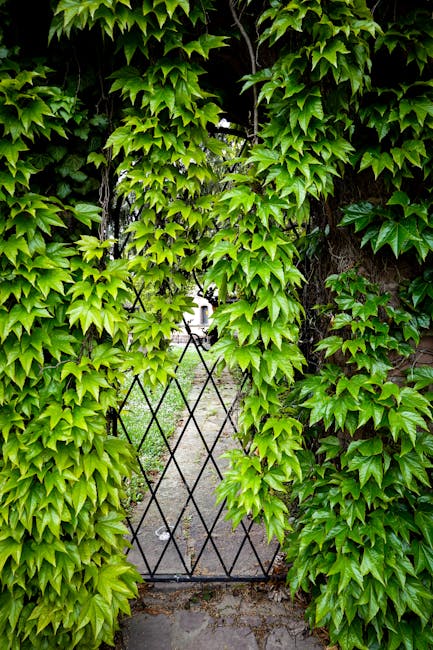
Forest Gate station area garden maintenance guide for gardeners
If you garden near Forest Gate station, you already know the area has its own rhythm: busy pavements, pockets of shade, sheltered back gardens, and that odd mix of urban dust, wind tunnels, and surprisingly lush growth after a wet week. This Forest Gate station area garden maintenance guide for gardeners is built for that real-world setting. Not a generic "trim and tidy" list, but a practical guide to keeping local gardens healthy, manageable, and looking good through the year.
Whether you look after a compact front garden, a shared terrace yard, a rental property border, or a slightly wild back garden that needs taming, the basics are the same: plan the work properly, protect plant health, keep on top of growth, and avoid the common mistakes that make maintenance harder later. Sounds simple. Then the rain comes, the grass takes off, and somehow everything needs doing at once.
In this guide, you'll find step-by-step maintenance advice, seasonal priorities, common pitfalls, tools that genuinely help, and a few local best-practice reminders that matter in a busy London setting. If you want support beyond the do-it-yourself basics, the services overview is a useful place to see how a local garden care approach is usually structured.
Table of Contents
- Why Forest Gate station area garden maintenance guide for gardeners Matters
- How Forest Gate station area garden maintenance guide for gardeners Works
- Key Benefits and Practical Advantages
- Who This Is For and When It Makes Sense
- Step-by-Step Guidance
- Expert Tips for Better Results
- Common Mistakes to Avoid
- Tools, Resources and Recommendations
- Law, Compliance, Standards, or Best Practice
- Options, Methods, or Comparison Table
- Case Study or Real-World Example
- Practical Checklist
- Conclusion
- Frequently Asked Questions
Why Forest Gate station area garden maintenance guide for gardeners Matters
Garden maintenance in the Forest Gate station area is about more than keeping things neat for kerb appeal. It affects plant health, drainage, neighbour relations, pest control, safety, and how usable your outdoor space feels day to day. In an area with active footfall, narrow access in some properties, and a blend of older homes and newer conversions, gardens can become messy quickly if they are left alone for too long.
Truth be told, urban gardens can be tougher than people expect. Pots dry out faster than you think. Fence lines collect windblown litter. Shade from nearby buildings can encourage moss, while a single warm spell can send grass and weeds into overdrive. That means a practical maintenance routine matters more than a once-a-month panic tidy.
It also matters because maintenance protects the bigger picture. A well-kept garden is easier to plant, easier to water, easier to inspect, and easier to enjoy. If you are looking after a property for tenants, homeowners, or customers, it can also support better presentation and reduce complaints about overgrowth, debris, or blocked access.
For readers who want a trusted local provider for ongoing upkeep, it can help to review the company's pricing and quotes information early, so you know what level of service fits the garden's condition and your budget.
Practical takeaway: In a busy station-area setting, regular light maintenance usually beats occasional heavy work. Little and often keeps gardens healthier, tidier, and less expensive to restore.
How Forest Gate station area garden maintenance guide for gardeners Works
A good maintenance system is really a cycle: inspect, cut back, tidy, nourish, and reassess. That cycle stays the same, but the detail changes with the season, the garden's size, and the amount of shade or exposure it gets.
In practice, a local garden maintenance routine usually includes these parts:
- Lawn care - mowing, edging, scarifying where needed, and checking for bare patches or compaction.
- Border and bed care - weeding, deadheading, cutting back, dividing overcrowded plants, and refreshing mulch.
- Hedge and shrub control - shaping, preventing encroachment, and keeping paths and windows clear.
- Waste handling - collecting green waste, separating recyclable materials where possible, and disposing responsibly.
- Seasonal adjustments - more watering in dry spells, more leaf clearance in autumn, and more protective care in cold snaps.
The key is not doing everything at once. For many gardens around Forest Gate, the smartest approach is to split work into manageable visits or work sessions. A quick tidy after growth surges can do more than a long, exhausting session every few weeks. It just does.
If the garden is part of a wider property maintenance plan, it is worth checking how the provider handles safety and insurance. The page on insurance and safety is relevant if you are comparing local services and want reassurance before anyone starts work.
Key Benefits and Practical Advantages
Well-planned garden maintenance gives you more than a tidy finish. It saves time later, reduces plant stress, and helps the space feel usable rather than overwhelming.
- Better plant health: regular pruning, watering, and feeding helps plants grow in a balanced way.
- Fewer weeds: small weeds are easy; big established weeds are never charming, and they are rarely quick.
- Safer access: paths, steps, and side returns stay clearer and less slippery.
- Improved appearance: neat edging and trimmed growth can transform a garden fast.
- Lower long-term effort: ongoing care stops the "big rescue job" cycle.
- More usable outdoor space: a garden that is maintained gets used more often, even for a cup of tea outside on a grey afternoon.
There is also a subtle but important social benefit. In dense residential streets, tidy boundaries and well-managed front gardens help the whole street feel looked after. That may sound small, but locals notice it.
For gardeners handling waste responsibly, the recycling and sustainability page can help you think more carefully about green waste, reuse, and lower-impact maintenance habits.
Who This Is For and When It Makes Sense
This guide is useful if you are any of the following:
- a homeowner wanting to keep a front or back garden manageable;
- a tenant who wants to maintain a rented outdoor space without overdoing it;
- a landlord or property manager needing reliable upkeep;
- a gardener looking after one-off or regular maintenance jobs in the Forest Gate station area;
- someone dealing with an overgrown garden and trying to decide whether to tackle it in stages or call in help.
It makes sense to follow a structured maintenance approach when the garden is clearly slipping from "manageable" into "annoying." You know the signs: grass leaning over the path, weeds appearing between slabs, shrubs blocking light, and that one corner where leaves somehow multiply overnight. Why let it drift if a little attention now could save a lot later?
It also makes sense after moving into a new property. A garden can look fine on first viewing and then reveal its real personality once you spend a week there. Some gardens are straightforward. Others are quietly demanding. Let's face it, a few are both.
If you need a clearer idea of what ongoing upkeep can include, the main Forest Gate lawn care homepage is a useful starting point for seeing how local garden work is typically organised.
Step-by-Step Guidance
Below is a practical maintenance sequence that works well for most gardens around the station area. It is flexible, which is the point. Gardens are living spaces, not factory lines.
1. Start with a proper walk-through
Before you cut or clear anything, walk the garden slowly. Look for overgrown edges, blocked drains, broken stems, disease signs, standing water, and areas where foot traffic has compacted the soil. A five-minute inspection saves stupid mistakes later. Yes, stupid mistakes happen to experienced gardeners too.
2. Clear the obvious clutter first
Remove litter, fallen branches, dead plant material, and anything that blocks access. This makes the rest of the job easier and safer. If the garden has been neglected, start with the things that make movement awkward: piles of cuttings, old pots, tangled twine, and hidden edges.
3. Tackle the lawn or groundcover
If there is lawn, mow at a sensible height rather than scalping it short. In shaded parts of the Forest Gate area, grass often needs a gentler approach because it grows more slowly and can be stressed more easily. Trim edges neatly. If the lawn has weeds or moss, note whether the issue is shade, compaction, drainage, or just lack of regular care. The cause matters.
4. Weed borders, paths, and paving joints
Don't just pull the visible weed heads. Try to remove roots where practical, especially for persistent perennial weeds. Between paving slabs, a hand tool or weed scraper is usually better than dragging something too aggressive across the surface.
5. Prune with purpose
Cut back dead, damaged, crossing, or awkwardly positioned growth. Shape hedges and shrubs gradually rather than hacking them hard unless they genuinely need a reset. If you are unsure whether a plant flowers on old wood or new wood, pause and check before pruning. That one decision can affect the whole season.
6. Feed and mulch where appropriate
A thin layer of compost or mulch can help conserve moisture, improve soil structure, and suppress weeds. Keep it away from stems and trunks. A common error is piling mulch too high and quietly stressing the plant. It looks tidy. It is not tidy for the plant.
7. Water deeply, not constantly
In dry periods, especially for containers and young plants, deeper watering is usually better than a quick sprinkle. Early morning or evening watering reduces evaporation. A watering can may feel old-fashioned, but honestly, it gives you more control than a rushed hose job on a windy evening.
8. Finish with a reset
Once the main work is done, step back and check the space again. Tighten edges, sweep paths, move debris, and ensure bins or bags are ready for collection or transport. The final five percent often makes the biggest visual difference.
Expert Tips for Better Results
Small adjustments can make maintenance easier all year. These are the details that experienced gardeners tend to notice, even if they do not always talk about them.
- Cut little and often in active growth periods. One heavy tidy-up can look satisfying, but regular trims usually keep plants healthier.
- Match the cut to the season. Spring and early summer often call for shaping and controlling growth; autumn is more about clearing and preparing.
- Watch the shade pattern. Around station-area homes, fences, buildings, and narrow plots can create unexpected damp or dry zones.
- Keep an eye on drainage. If one corner stays wet after rain, that is a maintenance clue, not just bad luck.
- Use clean tools. Clean blades and secateurs reduce the spread of disease. It takes a minute. Worth it.
- Leave room for access. Even in ornamental borders, make sure tools, bins, and people can move without trampling beds.
One practical habit I would always recommend: keep a quick note of what you did last time. A simple phone note works fine. "Trimmed laurel, removed ivy from fence, fed pots" is enough. Future-you will be grateful, probably with a small sigh of relief.
For customers comparing local service support, the page on health and safety policy can also give you confidence that work is being approached with proper care rather than a rushed, casual attitude.
Common Mistakes to Avoid
Garden maintenance problems usually come from a few repeated habits. Most are easy to avoid once you know what to look for.
- Cutting too much at once: especially on hedges, shrubs, and lawns that have been neglected.
- Ignoring the cause of poor growth: yellowing leaves, patchy grass, or weak flowering often have a reason beyond "it looks tired."
- Leaving weeds until they seed: this creates more work later and makes the garden feel messy faster.
- Using blunt tools: ragged cuts heal less cleanly and make jobs harder.
- Forgetting waste management: cuttings left in damp piles can smell unpleasant and encourage pests.
- Pruning blindly: some plants should be cut at particular times, and a rushed trim can reduce flowering for months.
Another common issue is treating every garden the same. A small courtyard with pots and a vertical screen needs a different routine from a wider back garden with lawn, borders, and mature shrubs. Sounds obvious, but people miss it all the time.
Tools, Resources and Recommendations
You do not need a shed full of expensive kit to keep a garden under control. A well-chosen set of basic tools usually covers most maintenance tasks.
| Tool | Best for | Why it helps |
|---|---|---|
| Manual secateurs | Small pruning and deadheading | Clean cuts on stems and light woody growth |
| Pruning saw | Thicker branches | Safer and neater than forcing secateurs |
| Spade or border fork | Digging, edging, dividing plants | Useful for restructuring beds and lifting roots |
| Hand weed tool | Patio joints and tight borders | Better control in confined spaces |
| Rake | Leaf clearance and debris collection | Quickly clears surface material without damaging plants |
| Law mower | Regular grass maintenance | Supports consistent height and tidier edges |
| Watering can or hose with control | Containers and dry spells | Helps target roots rather than wetting everything randomly |
For greener routines, consider reusable bags, composting where practical, and splitting waste between recyclable and non-recyclable materials if the collection system allows it. The recycling and sustainability guidance is a sensible companion resource if you want your maintenance work to be a bit less wasteful.
If you are budgeting for help, it can also be worth reviewing the quotes and pricing page alongside the garden's current condition. A neglected garden often needs a different starting point from one that only needs routine visits.
Law, Compliance, Standards, or Best Practice
Garden maintenance is not usually a heavily regulated activity, but there are still sensible standards and responsibilities to keep in mind, especially if you are working for others or handling access around a shared property.
- Health and safety: tools, lifting, ladders, and powered equipment should be used responsibly and with proper care.
- Property boundaries: avoid cutting or removing plants without permission if ownership is unclear.
- Waste handling: dispose of green waste lawfully and in line with local arrangements.
- Noise and timing: be considerate with powered equipment in residential streets, especially early or late in the day.
- Access and safeguarding: where work is done on behalf of clients, clear communication and safe site access matter.
If you are hiring a gardener or comparing providers, it is reasonable to ask how they handle insurance, risk, and incident reporting. The health and safety policy and insurance and safety information are useful trust pages for this kind of check.
Also, if you ever need to understand how a company handles feedback or issues, the complaints procedure is a practical sign that the business takes service quality seriously rather than shrugging things off.
Options, Methods, or Comparison Table
Different gardens need different maintenance styles. Here is a straightforward comparison of the most common approaches.
| Method | Best for | Pros | Trade-offs |
|---|---|---|---|
| DIY maintenance | Small, simple gardens or hands-on owners | Flexible, lower direct cost, full control | Time-consuming, easy to fall behind, may lack specialist finish |
| Occasional tidy-up visits | Gardens that mostly stay manageable | Good for seasonal resets and extra help | Can still drift between visits if the gap is too long |
| Regular maintenance plan | Front gardens, rental properties, busy households | Most consistent results, fewer surprises, easier budgeting | Requires ongoing scheduling and commitment |
| One-off restoration | Overgrown or neglected spaces | Fast visual improvement, useful reset point | Heavier upfront work, may need follow-up care quickly |
To be fair, most people end up using a mix. A one-off reset, then routine maintenance, is often the sweet spot. It is less glamorous than a full redesign, but it actually works.
Case Study or Real-World Example
Imagine a small rear garden near Forest Gate station with a patchy lawn, two overgrown shrubs, a narrow paved run to the back gate, and a couple of containers that have been left to fend for themselves. Nothing dramatic. Just the kind of space that quietly gets away from you while life is busy.
The first visit might focus on clearing, edging, and removing dead material. The shrubs are lightly shaped rather than reduced too hard. The lawn is mowed at a sensible height, not scalped. Weeds are removed from the paving joints, and the containers are checked for dead stems and dry compost. After that, a little mulch is added where suitable, and the whole space suddenly feels bigger.
What changes next is interesting. The garden stops demanding attention every time someone looks at it. It becomes manageable. Not perfect, not magazine-ready, but calm. And that, honestly, is usually what people want.
In a real maintenance schedule, the follow-up work would likely be lighter: edging, mowing, hand weeding, pruning by season, and occasional waste removal. If the client wanted less hassle, a repeat schedule would make all the difference. Gardens like this rarely need drama. They need rhythm.
Practical Checklist
Use this checklist before, during, or after a maintenance visit.
- Walk the full garden and note problem areas.
- Remove litter, fallen branches, and obvious debris.
- Mow the lawn at an appropriate height if conditions are right.
- Edge paths, beds, and lawn borders cleanly.
- Weed borders, paving joints, and container edges.
- Prune dead, damaged, or overcrowded growth carefully.
- Check for signs of pests, disease, or poor drainage.
- Water containers and newly planted areas if needed.
- Collect and sort green waste responsibly.
- Do a final walk-through from the house or entrance to spot anything missed.
Quick reminder: if the garden looked neglected at the start, don't expect one pass to solve everything. Consistency is the real win here.
Conclusion
A thoughtful Forest Gate station area garden maintenance guide for gardeners should do more than tell you to weed and mow. It should help you understand how the local setting shapes the work, what to do first, and how to avoid the slow drift into overgrowth and stress. When gardens are maintained steadily, they become easier to enjoy, easier to improve, and much less of a weekend headache.
Whether you prefer to handle the work yourself or bring in support for the more awkward jobs, the real goal is the same: keep the space healthy, safe, and usable without unnecessary fuss. Little and often is usually the winning formula. Not always exciting, but very effective.
If you are ready to move from planning to action, explore the relevant service details, compare options carefully, and choose the level of help that fits the garden you actually have - not the garden you wish you had after a perfect spring day and a lot of optimism.
Get a free quote today and see how much you can save.
And if you take one thing from this guide, let it be this: a garden near Forest Gate does not need perfection, just steady care and a bit of attention at the right time.
Frequently Asked Questions
How often should a garden near Forest Gate station be maintained?
For most gardens, light maintenance every one to two weeks during active growing periods works well, with seasonal adjustments for leaf fall, dry spells, and pruning. Smaller gardens may need less time, but they still benefit from regular check-ins.
What is included in basic garden maintenance?
Basic maintenance usually covers mowing, edging, weeding, light pruning, leaf clearance, and general tidying. Depending on the garden, it may also include watering, deadheading, and green waste removal.
Is it better to do one big tidy-up or regular smaller visits?
Regular smaller visits usually give better long-term results. A one-off tidy-up is useful for a reset, but ongoing care stops the garden from becoming overgrown again so quickly.
What should I do if the garden is very overgrown?
Start with access and safety first, then clear debris, define the boundaries, and reduce growth in stages. If the space is heavily neglected, a phased approach is often safer and less stressful for the plants.
Can I cut hedges and shrubs at any time of year?
Not always. Some plants tolerate pruning well at specific times, while others flower on old wood and can lose blooms if cut at the wrong point. If in doubt, identify the plant before pruning hard.
What makes station-area gardens harder to maintain?
They often deal with limited access, shade from buildings, wind exposure, compacted soil, and more foot traffic. These conditions can affect everything from mowing to drainage and plant choice.
How do I know whether to mow shorter or leave the grass higher?
If the grass is stressed, in shade, or newly recovering, a slightly higher cut is often better. Short cuts can look neat in the moment but may weaken the lawn if conditions are not right.
What are the biggest mistakes gardeners make with maintenance?
The biggest mistakes are cutting too much at once, ignoring weeds until they seed, using blunt tools, and not matching the work to the season. Waste handling is another area people often underestimate.
Do I need a professional for garden maintenance in Forest Gate?
Not always. If the garden is small and you have time, DIY can work well. A professional becomes more helpful when the garden is overgrown, time is tight, or you want consistent upkeep and a cleaner finish.
How should green waste be handled?
Green waste should be collected and disposed of responsibly, with recycling or composting used where practical and allowed. It is best not to leave cuttings in damp heaps, as they can smell and attract pests.
What should I ask before hiring a local gardener?
Ask what is included, how often visits happen, how waste is handled, whether the work is insured, and how pricing is structured. It also helps to check how they deal with safety and complaints, just in case anything needs attention later.
Can a tidy garden really improve a property's feel that much?
Yes, absolutely. A well-kept garden changes how the whole property feels from the moment you step outside or look out the window. It creates order, light, and a sense that someone is looking after the place.