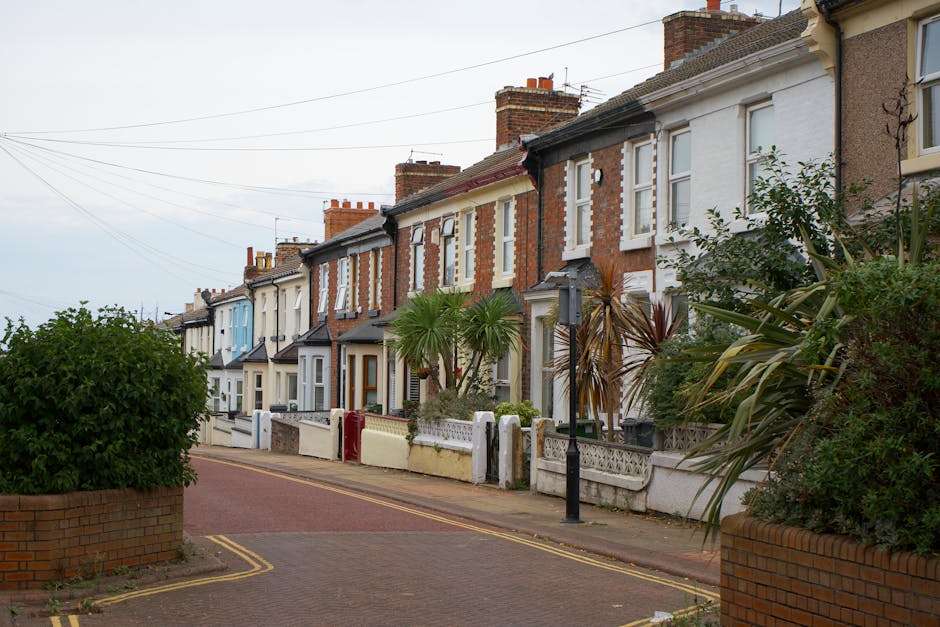
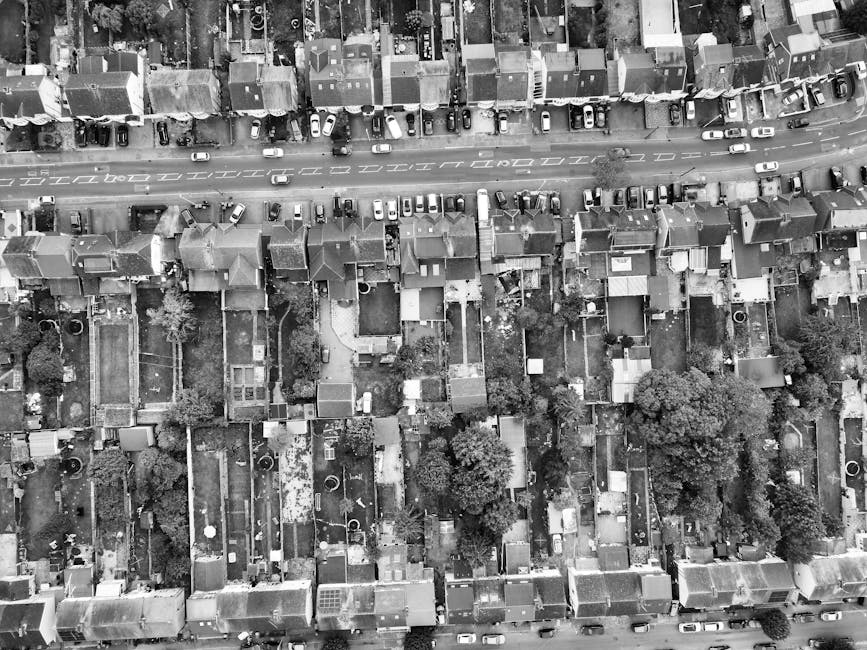
Best gardeners for Green Street terraces in Forest Gate
If you live on or near Green Street in Forest Gate, you already know the gardening brief is a bit different from a big suburban plot. Terraces here tend to be compact, overlooked, and busy with everyday life: front steps, narrow side access, small back gardens, shared boundaries, and the constant London mix of sun, shade, and street dust. That is exactly why choosing the best gardeners for Green Street terraces in Forest Gate matters. You need someone who understands tight spaces, respects neighbours, works neatly, and can keep a terrace garden looking good without turning it into a weekend project you never quite finish.
This guide walks through what good terrace gardening looks like in practice, how to compare services, what to ask before you book, and where people often go wrong. You will also find a comparison table, a practical checklist, and a few real-world examples so you can make a sensible decision without getting lost in marketing fluff. Truth be told, a well-kept terrace can change how a whole property feels.
For readers who want to explore the broader service picture first, it can help to start with the full range of local gardening services and then narrow down from there.
Table of Contents
- Why Best gardeners for Green Street terraces in Forest Gate Matters
- How Best gardeners for Green Street terraces in Forest Gate Works
- Key Benefits and Practical Advantages
- Who This Is For and When It Makes Sense
- Step-by-Step Guidance
- Expert Tips for Better Results
- Common Mistakes to Avoid
- Tools, Resources and Recommendations
- Law, Compliance, Standards, or Best Practice
- Options, Methods, or Comparison Table
- Case Study or Real-World Example
- Practical Checklist
- Conclusion
- Frequently Asked Questions
Why Best gardeners for Green Street terraces in Forest Gate Matters
Terraced homes need a different kind of gardening care. Space is usually limited, boundaries are close, and one untidy patch can make the whole frontage feel neglected. In a place like Green Street, where people pass by constantly, a front garden or small rear terrace is not just decoration. It is part of the home's first impression, and often part of how you actually use the property day to day.
A good terrace gardener does more than mow a patch of grass. They shape beds, tame overgrown edges, handle awkward corners, keep paving safe underfoot, and make sure the garden feels manageable rather than demanding. That matters because many terrace owners are trying to balance work, family, commuting, and everything else London throws at them. If the outdoor space becomes another chore, it gets ignored. Then the weeds win. Fast.
There is also a practical side. Smaller gardens can be harder to maintain neatly because every detail shows. A missed edge, a badly pruned shrub, or a bin-store area left cluttered can make a space look messy straight away. The best local gardeners understand this. They work with precision, not just effort.
And, to be fair, terrace gardens often have hidden potential. A narrow yard can become a quiet morning coffee spot. A small front plot can be simplified into low-maintenance structure with seasonal interest. You do not need a huge garden to get value from it. You need the right plan and the right hands.
If you are comparing providers, it is worth checking whether they are transparent about pricing and quotes early on, because terrace work can vary a lot depending on access, condition, and how much pruning or clearance is needed.
How Best gardeners for Green Street terraces in Forest Gate Works
In practice, terrace gardening usually starts with a quick assessment. A decent gardener will look at what is actually there, not just what the space could be. They will consider access, the condition of the soil, how much light the garden gets, whether paving needs cleaning, what plants are surviving, and how much maintenance you want to take on afterwards.
From there, the work often falls into a few common patterns:
- Routine maintenance such as mowing, edging, weeding, hedge trimming, and sweeping.
- Tidying and recovery work where a garden has become overgrown or cluttered.
- Seasonal updates such as planting, mulch top-ups, and cutting back dead growth.
- Low-maintenance redesign for people who want a simpler, more resilient layout.
Terraces in Forest Gate can have all sorts of quirks. Some have narrow rear access where carrying tools is awkward. Some have shared walls that need careful handling. Others get a surprising amount of shade from nearby buildings, so planting choices need to be realistic. A gardener who knows local conditions will not push expensive "dream garden" ideas that collapse by August.
Good service also includes communication. A proper local gardener should explain what they will do, what they will not do, and what the likely result will be after the first visit. That sounds obvious, but lots of frustration comes from fuzzy expectations. If the job is basically "make it neat and maintainable", say so. If you want a full reset, say that too.
Many homeowners also prefer one provider who can handle a mix of work across the year, from regular grass care to pruning and clearance. That is where a fuller service overview helps, because it lets you see how the different jobs fit together rather than booking them piecemeal.
Key Benefits and Practical Advantages
Choosing the right gardener for a terrace is not only about appearance. The real benefits are a bit broader, and honestly, a bit more satisfying than just "looks nice".
- Better use of a small space. A good layout makes even a narrow terrace feel calmer and easier to live with.
- Less ongoing work for you. Properly pruned plants and tidy borders are easier to maintain between visits.
- Safer paths and surfaces. Mossy paving, loose debris, and clutter can become slip risks, especially after rain.
- Healthier planting. The right plants in the right place need less rescue work later.
- Improved privacy. Strategic pruning and screening can make a terrace feel more sheltered without making it gloomy.
- Better kerb appeal. In a street-facing terrace, a neat garden quietly improves the whole property presentation.
There is also a budget benefit that people sometimes miss. A well-managed terrace can actually save money over time because it avoids the cycle of neglect, emergency clearances, and rushed "fix it now" jobs. Slow and steady usually costs less than dramatic clean-ups. Not always, but often enough to matter.
For households that care about tidy, predictable service, it can be reassuring to understand the provider's insurance and safety approach before any work begins. That is not just paperwork; it tells you a lot about how seriously they handle their work.
Who This Is For and When It Makes Sense
This kind of gardening service makes sense for a few very different people.
Busy homeowners who want the garden looked after regularly without losing weekends to weeding and edging.
Landlords who need a terrace kept presentable between tenancies, viewings, or inspections.
Older residents who no longer want to manage awkward lifting, pruning, or repetitive maintenance.
New buyers who have moved into a terrace and discovered the garden needs more than a quick tidy.
Families who want the outside space safe and usable, but not fussy.
People preparing to sell who need the garden to look orderly in photos and viewings.
The service also makes sense if your garden has become one of those spaces you keep meaning to sort out. We all know the type. You glance out the back on a damp Tuesday morning, notice the same overgrown corner, and think, "I'll deal with that this weekend." Then three weekends go by. Happens.
If that sounds familiar, the answer is not usually a full landscaping rebuild. Often, it is a sensible first visit followed by a maintenance plan that matches your actual life. A practical local gardener will help you get there without overcomplicating it.
Step-by-Step Guidance
If you want the best outcome, approach it in stages. That is usually the cleanest way to avoid regret and surprise costs.
- Define the result you want. Do you need a tidy-up, regular maintenance, or a garden that is easier to live with?
- Walk the space properly. Note narrow access, shady corners, wet patches, broken paving, overgrown beds, and anything that needs caution.
- Ask about experience with terrace gardens. General gardening is useful; terrace-specific experience is better.
- Request a clear quote. Make sure it covers the likely work, the visit length, and any follow-up recommendations.
- Check how they manage waste and tidying. A good finish matters. Nobody wants a neat border and a pile of cuttings left behind.
- Agree on maintenance frequency. Some gardens need monthly attention, others just seasonal visits and a couple of tidies.
- Review after the first job. Look at the details: edges, corners, surfaces, and plant health. That tells you a lot.
A useful practical tip: take a few photos before the first visit. Not because you are trying to catch anyone out, but because it helps you compare before and after with a clearer eye. Also handy if you want to track how a planting scheme settles over time.
If your property needs a broader routine care plan, you may want to look at the provider's gardening services overview so the work is joined up rather than piecemeal.
Expert Tips for Better Results
Small terrace gardens improve fastest when the work is consistent and realistic. Here are the habits that make the biggest difference.
- Keep the planting simple. A few well-chosen shrubs or perennials usually outperform a crowded mix.
- Use structure. In a compact terrace, edging, planters, and clear lines make the space feel intentional.
- Choose plants for the site, not the dream. Shade, wind, and limited soil depth matter more than a pretty label.
- Mulch lightly and regularly. It helps with moisture retention and reduces weeding pressure.
- Prune before things get awkward. Once shrubs lean into paths or fences, the job becomes twice as annoying.
- Think about drainage. London terraces can get waterlogged in awkward patches, especially after persistent rain.
Here is one of those small details people miss: the best gardeners in tight terrace settings often spend a little extra time on edges and transitions. The line between paving and planting, or between your garden and the neighbour's fence, is what makes the whole place look cared for. It is not glamorous work. But it shows.
If you want the service to feel smooth from the start, it helps to use a provider that is clear about payment and security. That sounds unexciting, I know, but simple admin usually means fewer headaches later.
Expert summary: the best terrace gardening results usually come from tidy structure, realistic planting, consistent maintenance, and a gardener who understands compact urban spaces rather than treating them like miniature country gardens.
Common Mistakes to Avoid
There are a few repeat offenders in terrace garden jobs. If you avoid these, you are already ahead.
- Hiring only on price. A cheap quote can be fine, but if it ignores access, waste removal, or detail work, the final result can be disappointing.
- Choosing plants that need more light than the terrace gets. A sunny Instagram garden is not much help if your yard is shaded by a neighbouring wall most of the day.
- Letting the garden get too far away from you. Once it becomes overgrown, every task takes longer and costs more.
- Forgetting about maintenance. A one-off tidy can help, but unless you keep it going, the same problems return.
- Ignoring access issues. Narrow side passages, steps, and storage constraints can affect what is possible.
- Not checking insurance or safety practices. Especially important where ladders, power tools, or awkward lifting are involved.
A slightly less obvious mistake is asking for too much change in one visit. A terrace that has been neglected for months may need a staged approach. If you try to do everything at once, the result can feel rushed or uneven. Better to get the structure right first, then refine it.
And yes, sometimes the issue is just that people want a Chelsea Flower Show result on a real-world Forest Gate terrace. Lovely idea. Slight mismatch though.
Tools, Resources and Recommendations
A competent gardener should arrive with the right tools for a compact urban setting. For terrace work, that usually means equipment that is neat, controllable, and suitable for close-up detail rather than heavy rough clearing.
Useful tools often include:
- hand shears and secateurs for precise pruning
- hedge trimmers for controlled shaping
- lightweight mowers or edging tools where grass areas exist
- leaf blowers or rakes for tidying paths and patios
- spades, forks, and hand tools for border work
- bags or containers for green waste collection
For the homeowner, a few simple resources help too:
- a notebook or phone note with your preferred priorities
- photos of the garden taken in different seasons
- a rough idea of shade, sun, and problem areas
- access details, parking limitations, or neighbour considerations
It is also sensible to review a company's public policies if you want a broader sense of professionalism. Pages such as health and safety guidance and recycling and sustainability practices can tell you whether they think beyond the immediate job. That is a good sign.
Where sustainability matters to you, ask how cuttings are handled and whether waste is recycled where possible. It is a small thing on paper, but in a city garden it can make service feel more thoughtful and less throwaway.
Law, Compliance, Standards, or Best Practice
For terrace gardening in Forest Gate, the main point is not legal complexity. It is sensible, responsible practice. If a gardener is using tools, handling waste, working near public pavements, or operating in tight spaces, they should behave carefully and professionally.
From a homeowner's perspective, the most relevant checks are usually:
- Insurance in case of accidental damage or injury
- Safe working methods for tools, access, and lifting
- Waste handling that is tidy and lawful
- Respect for neighbours and shared areas
- Clear pricing and written agreement where the job is more than a quick visit
You do not need to become an expert in regulations. You just need enough assurance that the work will be carried out responsibly. A reputable local provider will not mind being asked. In fact, they should expect it.
For peace of mind, it is sensible to read the provider's insurance and safety information and understand how they approach jobsite risks. If a company is open about this, that usually says something good about the rest of the service too.
And if there is ever a problem, a clear complaints procedure is another reassuring sign. Nobody likes needing it, obviously, but the existence of a proper process shows maturity.
Options, Methods, or Comparison Table
Different terraces need different levels of attention. The right choice depends on time, budget, and how much you want the garden to do for you.
| Option | Best for | Typical strengths | Watch-outs |
|---|---|---|---|
| One-off tidy-up | Overgrown or neglected terraces | Fast visual improvement, clears the slate | Needs follow-up or the garden drifts back |
| Regular maintenance | Busy households and landlords | Predictable, neat, low stress | Requires consistency |
| Seasonal visits | Mostly tidy gardens that need periodic attention | Cost-efficient, flexible | Less control between visits |
| Low-maintenance redesign | People who want simpler upkeep long term | Reduces future work, often more durable | May need an upfront investment of time and planning |
If you are unsure which option fits, start with the smallest useful step. A good initial clearance or tidy can reveal what the garden really needs. That is often better than making a big plan before you have seen the space properly in use.
For many Green Street terraces, the sweet spot is regular maintenance with one or two seasonal interventions. Not too much. Not too little. Just enough to stay ahead of the weeds and the weather.
Case Study or Real-World Example
Imagine a typical terrace near Green Street: narrow frontage, a small rear space, a few tired shrubs, paving that has picked up moss after a wet spell, and a border that has become more bramble than garden. The owner wants it to look better, but not turn into a high-maintenance project.
A sensible first visit would probably focus on clearing the obvious problems, defining the edges, and reducing the amount of plant material competing for space. The gardener might prune back shrubs that are blocking light, remove dead growth, clear the paving, and identify which plants are worth keeping. Nothing dramatic. Just steady, practical work.
After that, the next step might be simple structure: a cleaner path line, a couple of low-maintenance plants suited to the light, and a routine visit every few weeks or once a season depending on growth. The effect is often surprisingly big. Not because the garden has become larger, but because it has become readable. You can see the space again.
I once heard a homeowner describe the before-and-after like this: "It stopped feeling like something I was failing at." That stuck with me. A good terrace gardener does more than trim leaves. They give you back the space, and a bit of headspace too.
Practical Checklist
Use this checklist before you book:
- Do they have experience with compact terrace gardens?
- Have they asked about access, light, and the current condition of the space?
- Is the quote clear about what is included?
- Do they explain what happens to green waste?
- Are they open about safety and insurance?
- Have they suggested realistic maintenance intervals?
- Do they understand your priority: neatness, privacy, planting, or low maintenance?
- Will they leave the space tidy after the job?
- Can they handle both one-off and ongoing work if needed?
- Do you feel confident they understand local terrace conditions, not just generic gardening?
Quick practical rule: if the conversation is vague, the service will probably be vague too. If the gardener asks the right questions, you are usually in safer hands.
Conclusion
The best gardeners for Green Street terraces in Forest Gate are the ones who understand small urban spaces, work neatly, and make your garden easier to live with rather than harder to manage. That means thoughtful pruning, practical planting, tidy finishes, and realistic maintenance plans. It also means clear communication, proper safety, and an honest approach to what your terrace can and cannot be.
If you choose well, the garden stops being a background worry and becomes part of the home again. A place for a cup of tea in the morning. A bit of fresh air after work. A small patch of calm in a busy part of London. Not bad for a terrace, really.
Get a free quote today and see how much you can save.
For the next step, it can be useful to review the provider's quote and pricing information alongside their service details, so you can match the work to what you actually need.
Frequently Asked Questions
What makes a gardener suitable for Green Street terraces in Forest Gate?
The best choice is someone who understands compact urban gardens, tight access, and the need for neat, practical results. Terrace work is about precision as much as effort.
How often should a terrace garden be maintained?
It depends on planting, season, and how tidy you want it to stay. Many terraces do well with regular visits during growing months and lighter seasonal checks in quieter periods.
Is a one-off tidy-up enough for an overgrown terrace?
Sometimes it is a great start, but if the garden has been neglected for a while, you may need follow-up maintenance to keep it under control.
What should I ask before hiring a local gardener?
Ask about terrace experience, insurance, what is included in the quote, how they handle waste, and what maintenance schedule they recommend after the first visit.
Do terrace gardens need different plants than larger gardens?
Often yes. Light levels, wind exposure, and limited soil space can make some plants struggle. A good gardener will recommend plants suited to the actual site, not just the brochure.
How do I compare gardening quotes properly?
Do not look only at the headline price. Compare what is included, whether waste removal is covered, how long the visit will take, and whether the work is a one-off or part of a plan.
Can a gardener help make a terrace garden low maintenance?
Yes. In many cases, the smartest move is simplifying the layout, choosing sturdier planting, and setting a realistic maintenance rhythm. That saves time later.
What if my terrace has poor drainage or lots of shade?
That is common in London terraces. A knowledgeable gardener can work around it with the right plants, soil improvements, and maintenance methods.
Should I worry about safety and insurance?
Yes, it is sensible to check. Safe working practices and suitable insurance are signs of a professional service, especially where tools, lifting, or awkward access are involved.
How can I tell if a gardener really understands terrace gardens?
They will ask practical questions about access, boundaries, light, existing plants, and your goals. If they jump straight to a generic answer without looking closely, that is usually a warning sign.
Is sustainable gardening important for small terraces?
It can be. Reusing materials where appropriate, recycling green waste, and choosing durable plants all help reduce repeat work and keep the garden healthier over time.
What is the easiest first step if my garden is in bad shape?
Start with a proper tidy and assessment. Once the space is clear, it becomes much easier to decide whether you need ongoing maintenance, seasonal visits, or a small redesign.